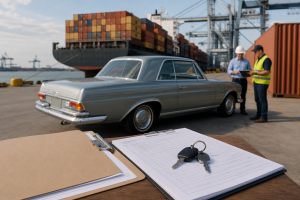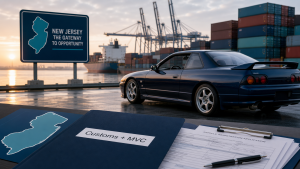
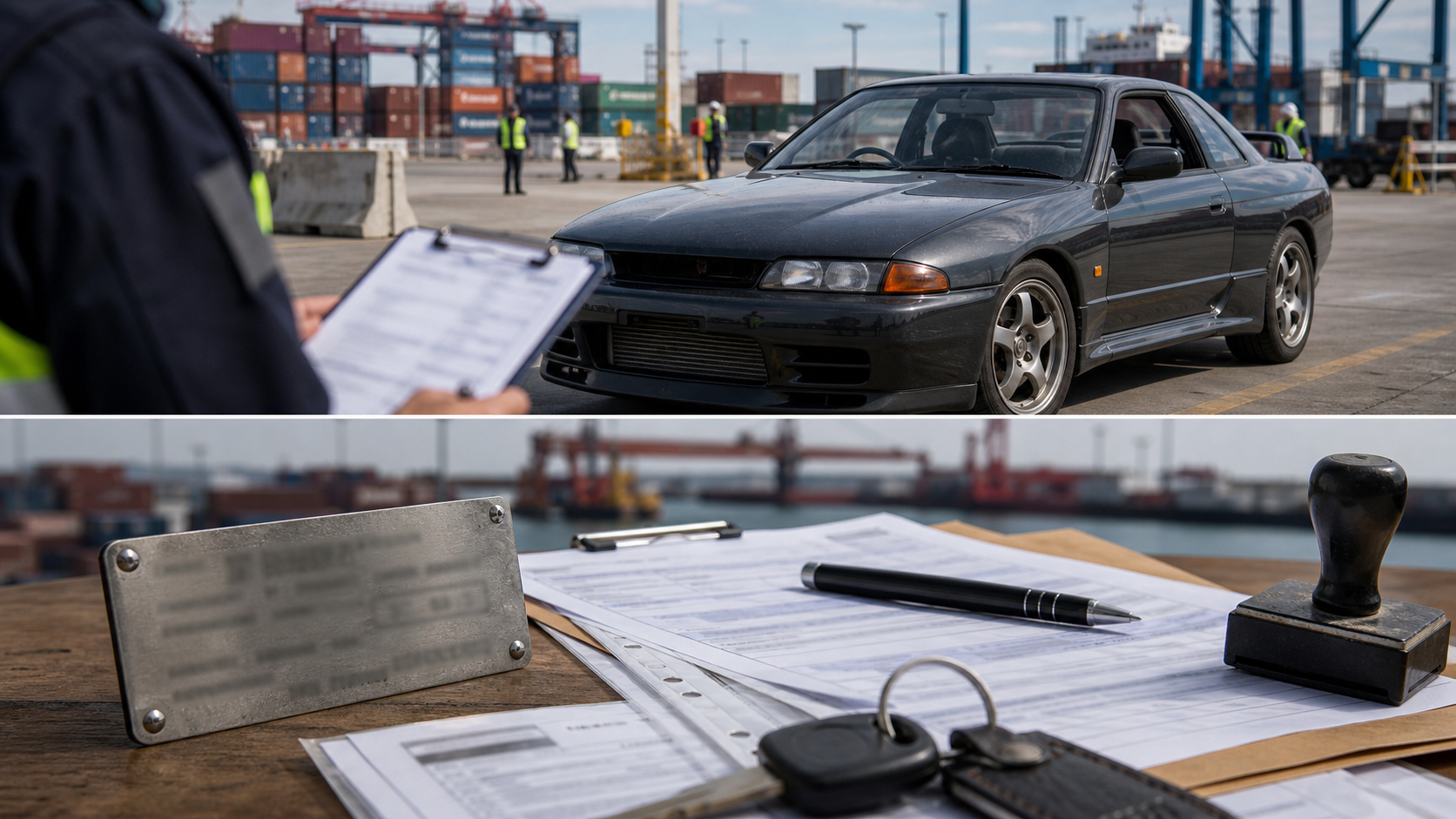
Importing a JDM vehicle is not just buying the car, booking the vessel, and waiting for a port pickup appointment. The smooth entries are boring because the importer confirmed eligibility, documents, bond, POA, duty, and agency forms before the vehicle left Japan.
The delayed entries usually have the same problems: the build date does not support the 25-year claim, the Japanese export certificate is missing or not translated, the invoice is vague, the importer details do not match, the EPA or DOT form is wrong, or no one handled the customs bond until the car was already at the terminal.
This checklist is written for private JDM importers, dealers, and freight forwarders who want the car released without turning the port into a very expensive parking lot.
Quick caveat before the checklist
Federal import eligibility and state title or registration are separate issues.
A vehicle can be eligible for federal import under the 25-year rule and still run into state registration, emissions, inspection, insurance, VIN verification, or title problems after release. California is the obvious example, but it is not the only state that can add friction.
Customs clearance gets the vehicle legally entered into the United States. It does not guarantee that a DMV will title it, register it, or let it pass state emissions rules.
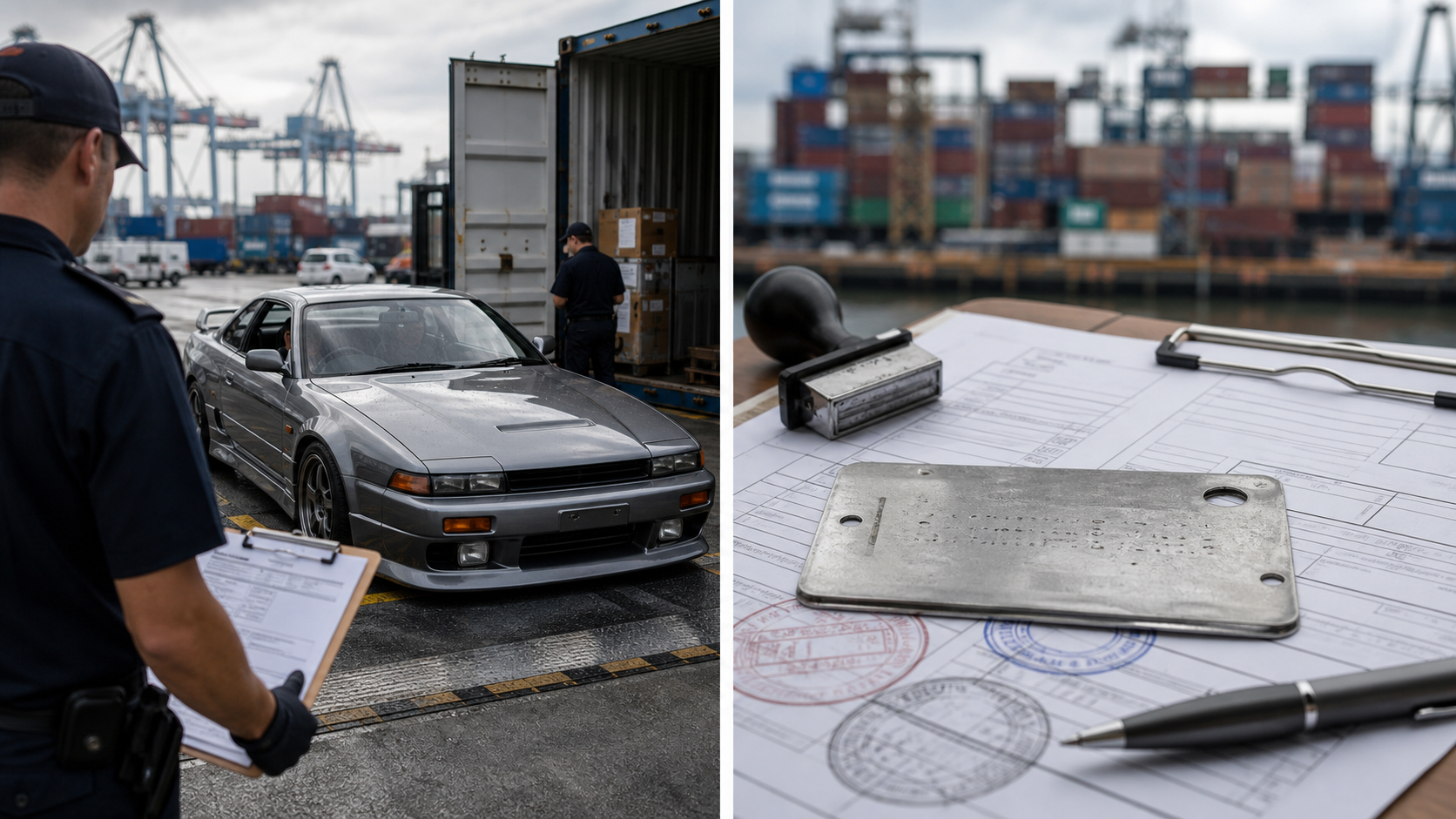
1. Confirm the 25-year rule by manufacture date, not model year hype
For DOT/NHTSA purposes, the well-known JDM path is the 25-year exemption for vehicles that were manufactured at least 25 years before importation. If the vehicle is less than 25 years old and was not originally manufactured to comply with all applicable Federal Motor Vehicle Safety Standards, permanent import can require a Registered Importer route, eligibility determination, modifications, and a DOT bond. That is not the normal private JDM classic import process.
Before buying the vehicle, confirm:
- Exact manufacture month and year
- Chassis number or VIN
- Make, model, trim, and body style
- Whether the car has been modified in a way that could affect EPA treatment
- Whether the export certificate supports the age claim
- Whether the import date will be after the vehicle actually turns 25
Do not rely on “1999 model” or auction listing shorthand. A car built in December 2001 is not treated the same as one built in January 2001 if it arrives before its 25-year anniversary. Paperwork does not care about vibes, unfortunately.
2. Prepare DOT Form HS-7 correctly
DOT Form HS-7 is the declaration form used for NHTSA safety compliance at import. For a 25-year JDM import, the importer must declare the correct basis for entry and keep support for the vehicle’s age.
Have ready:
- Completed DOT HS-7
- Export certificate or other age support
- Translation if the age evidence is in Japanese
- Photos of chassis plate, build plate, or manufacturer plate when available
- Importer name and address matching the CBP entry
The common mistake is treating HS-7 as a harmless formality. It is not. If the declaration does not match the vehicle facts, CBP can hold the unit and ask for support.
3. Prepare EPA Form 3520-1 for emissions declaration
EPA Form 3520-1 is the declaration for passenger vehicles, highway motorcycles, and corresponding engines imported into the United States.
Many JDM importers focus on the DOT 25-year rule and forget that EPA has its own requirements. For many older vehicles, the EPA path depends on age and original, unmodified configuration. The EPA form instructions should be checked for the correct code before filing.
Before entry, confirm:
- Vehicle age for EPA purposes
- Whether the engine is original or replaced
- Whether emissions equipment has been removed or modified
- Whether the vehicle is a passenger vehicle, motorcycle, or another type of unit
- Whether an Independent Commercial Importer route is required instead
A 25-year DOT argument does not automatically fix an EPA problem. If the engine has been swapped, modified, or poorly documented, expect questions.
4. Set up the CBP entry before arrival
CBP clearance is the formal customs entry process. A customs broker needs enough information to classify the vehicle, identify the importer, calculate duty and fees, transmit the entry, and coordinate release.
For a JDM vehicle entry, the file normally needs:
- Ocean bill of lading or arrival notice
- Japanese export certificate or deregistration certificate
- Certified or reliable English translation of the export certificate
- Commercial invoice, bill of sale, or purchase receipt
- Importer full legal name, address, phone, and email
- Importer tax ID, EIN, or SSN where required for entry
- Vehicle make, model, year, chassis/VIN, and purchase price
- EPA Form 3520-1
- DOT Form HS-7
- Power of attorney for the customs broker
- Bond information
If the vehicle is shipping under a freight forwarder’s consolidated bill, make sure the house bill details are available. The broker cannot clear a mystery unit with “Nissan, Japan, paid by wire” as the whole file. CBP is not running a guessing booth.
5. Handle the customs bond early
Most formal entries require a customs bond. For a one-time private vehicle import, a single transaction bond may be enough. For dealers, repeat importers, or higher-volume activity, a continuous bond may make more sense.
Bond considerations include:
- Vehicle value
- Duty exposure
- Port requirements
- Whether other government agency issues could increase risk
- Import frequency
- Whether the importer already has a valid continuous bond
Do not wait until the vehicle arrives to ask about the bond. Bond setup can delay release if the importer information is incomplete or the bond amount needs review.
This is separate from the DOT conformance bond used for certain nonconforming newer vehicles. Most properly documented 25-year JDM imports do not follow that Registered Importer conformance path, but the distinction matters.
6. Sign the POA before the broker files
A customs broker cannot act for the importer without a valid power of attorney. The POA must match the importer of record.
Before entry, confirm:
- Importer legal name is correct
- Individual or company status is clear
- Address matches the entry documents
- EIN, SSN, or importer number is correct where required
- Signer has authority if the importer is a company
- Broker has the signed POA before vessel arrival
If the buyer, consignee, invoice name, and importer of record are all different, sort that out early. Mismatched parties are one of the easiest ways to turn a normal clearance into a document chase.
7. Get the Japanese export certificate and translation right
The Japanese export certificate is one of the most important documents in a JDM entry file. It helps support vehicle identity, ownership/export status, and age.
The broker will usually need:
- Original or clear copy of the export certificate
- English translation
- Chassis number matching the vehicle and bill of lading
- Make/model details consistent with invoice and entry
- First registration or manufacture information where shown
A translation that leaves out key fields can cause delays. So can a chassis number typo. One wrong character can make the car look like a different vehicle.
8. Make the invoice or bill of sale usable for customs
The invoice or bill of sale needs to support the price paid or payable. CBP may question vague or artificially low values.
A usable invoice should show:
- Buyer and seller
- Vehicle make, model, chassis/VIN, and year
- Purchase price and currency
- Date of sale
- Payment terms where available
- Auction sheet or purchase support when useful
- Whether ocean freight or inland charges are included or separate
Duty is generally based on customs value, so weak valuation documents can create avoidable questions. If the auction price, invoice, and wire amount do not line up, explain it before CBP asks.
9. Estimate duty, MPF, HMF, and fees before the car ships
Many private importers budget for the car and ocean freight, then get surprised by the entry costs.
Before shipping, estimate:
- Normal duty based on vehicle classification
- Merchandise Processing Fee where applicable
- Harbor Maintenance Fee where applicable
- Customs bond cost
- Broker fee
- Terminal, port, exam, storage, and demurrage exposure
- Delivery or pickup costs after release
Passenger cars, trucks, motorcycles, and specialty vehicles can fall under different classifications and rates. Do not assume every JDM vehicle is treated the same. Trucks and vans need extra attention because classification can change the duty math.
10. Watch the delay points that hit JDM imports most often
The most common JDM customs delays are preventable.
Watch for:
- Vehicle is not actually 25 years old on the import date
- Export certificate missing, blurry, or untranslated
- Chassis number does not match across documents
- Invoice does not support the declared value
- EPA Form 3520-1 code does not fit the vehicle facts
- DOT HS-7 declaration lacks age support
- Importer name differs between invoice, bill of lading, POA, and entry
- SSN/EIN or importer number is missing
- Bond is not arranged before arrival
- Arrival notice reaches the broker late
- Vehicle has engine swaps or emissions modifications
- State registration requirements were assumed instead of checked
The fix is simple: build the file before the vessel arrives. If something looks weak, solve it while the car is still overseas or in transit, not after free time at the terminal is already burning.
AWIS JDM import checklist
Before the vehicle ships, confirm you have:
- Manufacture date support showing the vehicle is at least 25 years old for DOT purposes
- Completed DOT HS-7
- Completed EPA Form 3520-1
- Japanese export certificate
- English translation of the export certificate
- Bill of lading or booking details
- Commercial invoice or bill of sale
- Importer legal name, address, contact info, and tax/importer ID where required
- Signed customs broker POA
- Bond decision: single transaction or continuous
- Duty and fee estimate
- State title/registration plan after federal release
AWIS can help review the entry file, confirm the customs documents, set up the bond, and file the CBP entry for JDM imports arriving at U.S. ports.
If you are buying a JDM vehicle, the best time to fix the paperwork is before it ships. The second-best time is before it arrives. After that, the port starts charging tuition.